Recovery & Anti-aging Care
Stem Cell · Regenerative Therapy
Understanding regenerative therapy
More important than administering cells is which regenerative resource is used, and for what purpose.
Regenerative therapy draws on a range of resources, each with different characteristics and roles. SOON BE Clinic approaches them by distinguishing the properties of each component and the purpose of each patient’s treatment.
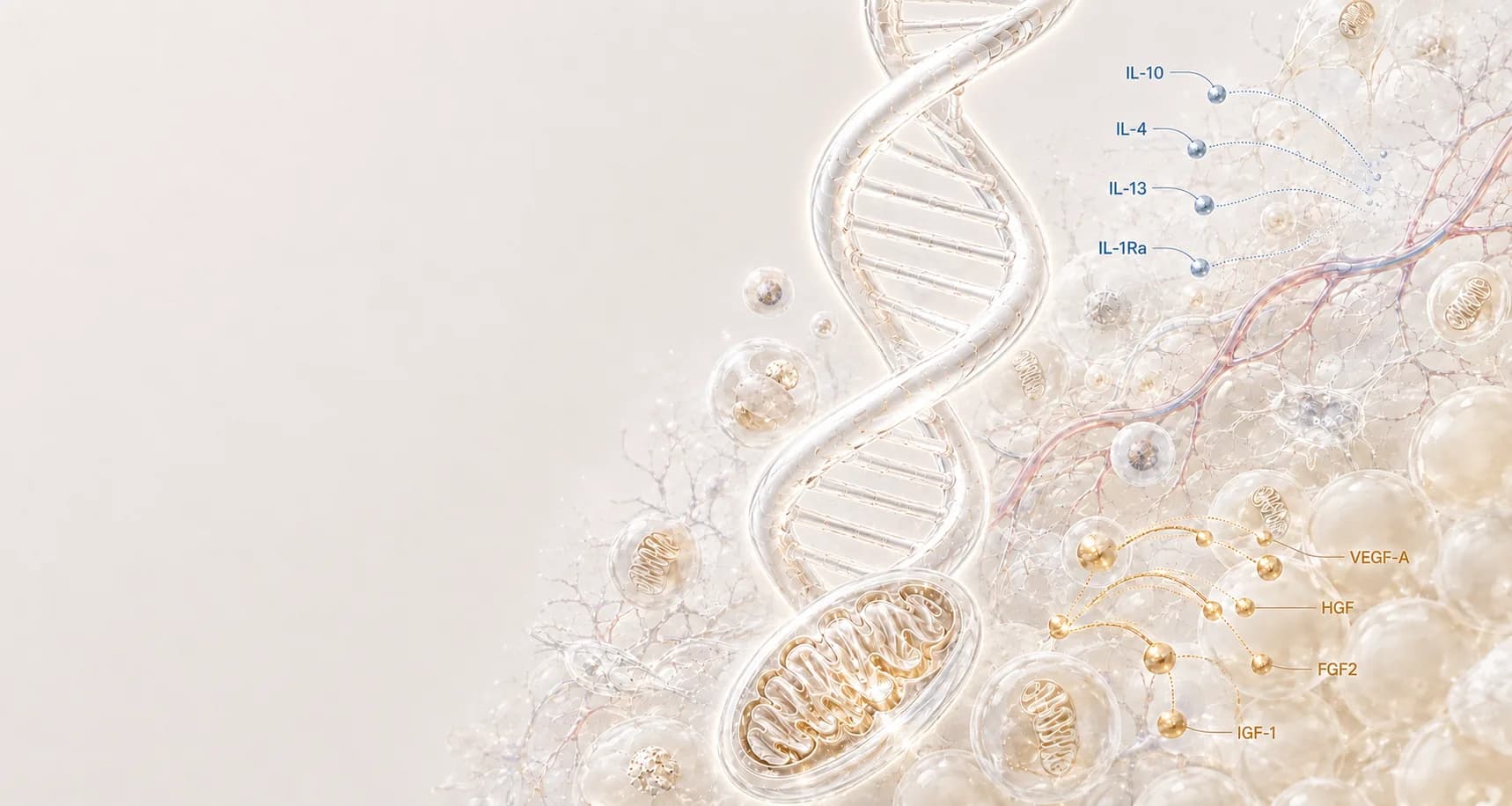
Regenerative resources
The cell-based resources we work with
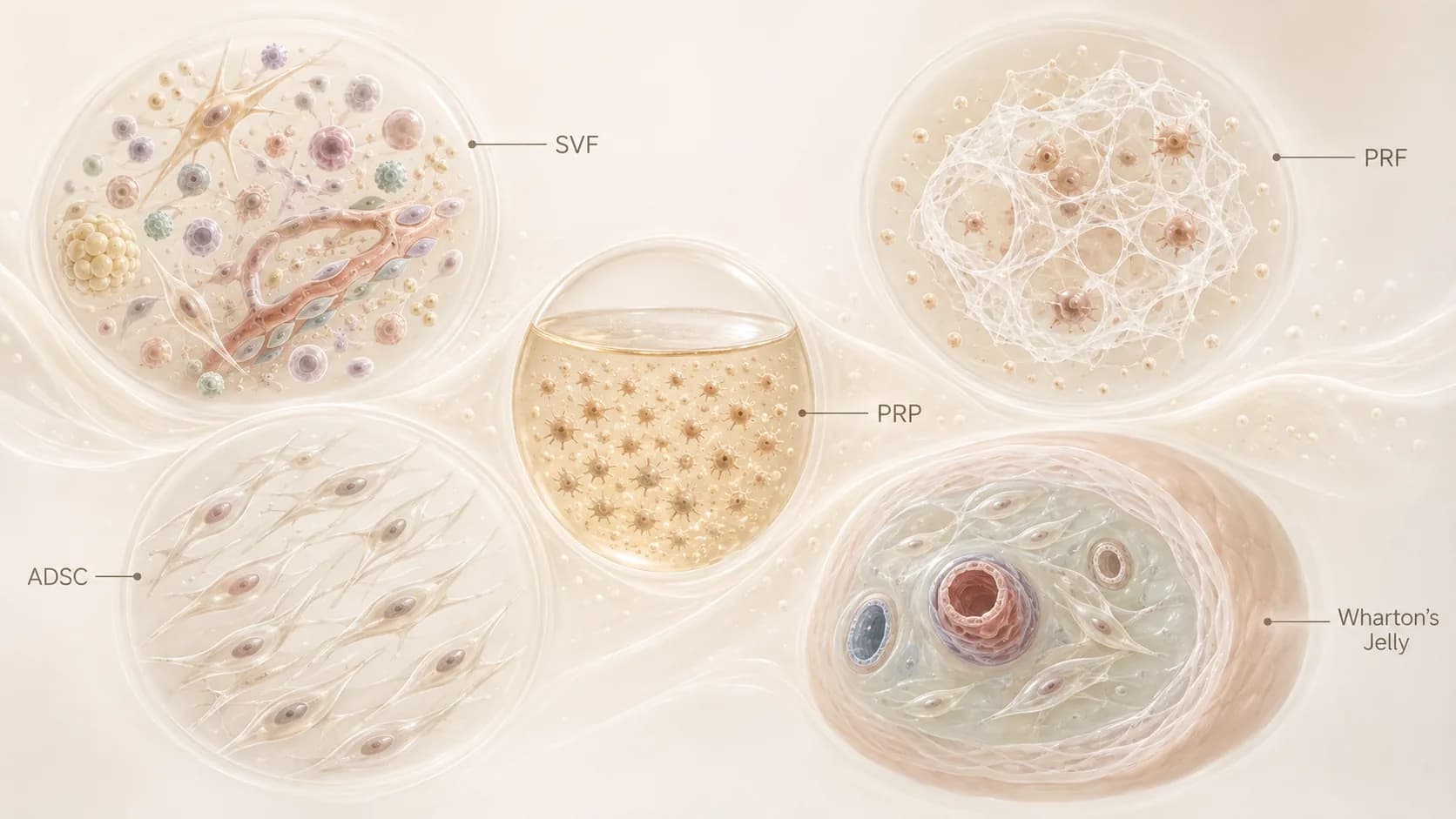
SVF
Stromal Vascular Fraction
A collection of diverse cells isolated from your own adipose tissue. Alongside adipose-derived stromal cells it includes vascular endothelial cells, immune cells and pericytes, together forming the complex signalling environment that regeneration requires.
ADSC
Adipose-Derived Stromal/Stem Cell
Cells derived from adipose tissue; their potential to deliver a range of regenerative signals around damaged tissue is under study.
PRP
Platelet-Rich Plasma
The platelet-rich layer of plasma is separated from your own blood. The growth factors and bioactive substances contained in platelets are used in the local recovery process.
PRF
Platelet-Rich Fibrin
Uses platelets together with a fibrin structure. Within the fibrin scaffold, growth factors are released relatively slowly.
Wharton's Jelly
Wharton’s jelly-derived regenerative resource
Derived from the connective tissue surrounding the umbilical cord. Because it is not a component of your own blood or fat, no blood draw or fat harvest is required.
How cells act
Four words that explain how cells act
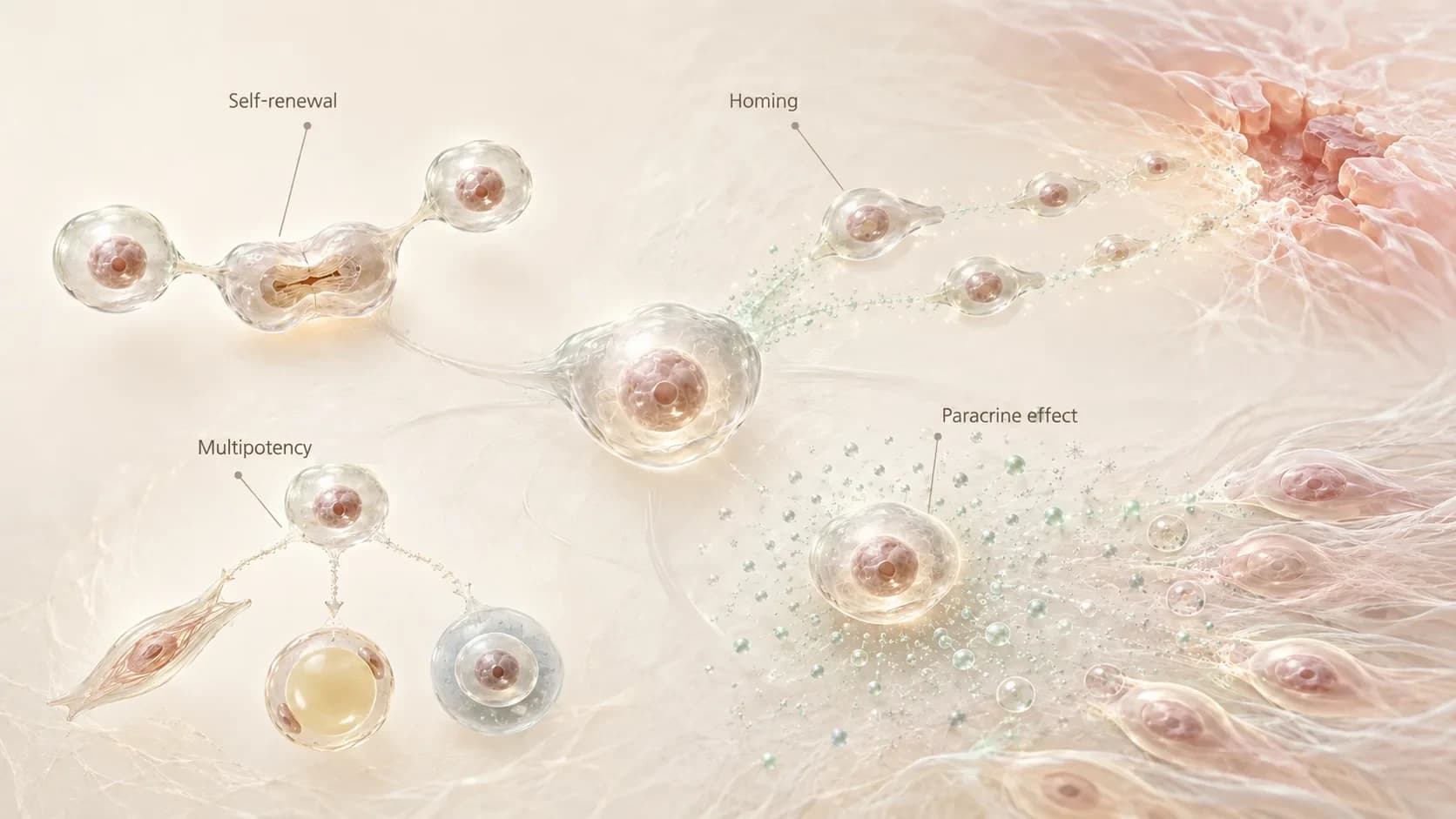
Homing
The movement of cells towards a site of damage in response to the signals arising there. Actual distribution in the body and how long it persists can vary with the cell type and the method of administration.
Self-renewal
The ability of some cells to proliferate while retaining their own characteristics.
Multipotency
The potential, under particular conditions, to differentiate into several kinds of tissue cell.
Paracrine effect
Beyond cells turning directly into tissue, the action of secreting growth factors, cytokines, extracellular vesicles and other signals that influence the recovery environment of neighbouring cells.
The SOON BE approach
How we approach advanced regenerative medicine
Treatment designed with the patient’s burden in mind
Some treatments can be carried out with a relatively simple blood draw or a local injection. Where fat harvesting, cell processing or intravenous administration is involved, we will provide the tests, safety management and full explanation that it calls for.
Closed automated separation system
In every step of handling cells and blood, what matters is not only how much is obtained but how consistently and safely it is processed. Where regulations permit, SOON BE Clinic uses a closed automated separation system to reduce external exposure and manual steps during the procedure, and manages everything from collection through separation, preparation and administration as a standardised process.
What to know beforehand
Reactions that may follow treatment
For safe treatment, here are the temporary reactions that may follow.
Bruising · pain · swelling
These may appear temporarily at the blood-draw or injection site.
Fatigue · feeling feverish
You may notice a change in how you feel after treatment, but in most cases it is temporary.
Differences in response
The reaction after treatment and how much you feel it can vary with your individual health and the materials used.
Consultation
Start with whatever is on your mind
You can decide later.
It is fine to come today just to talk.